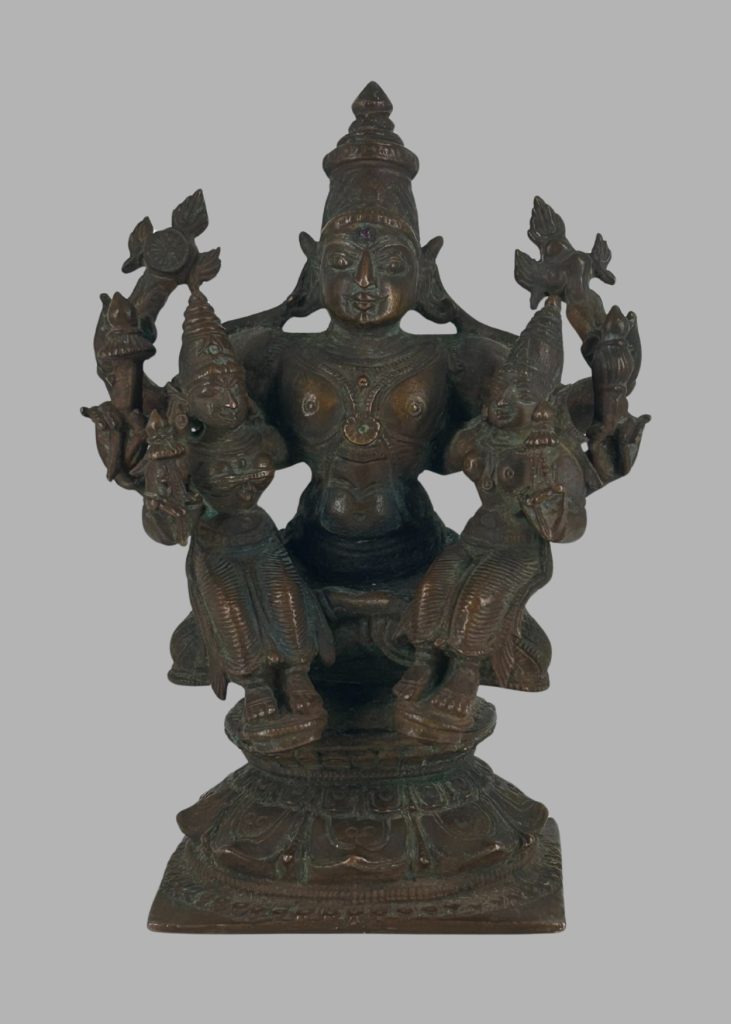
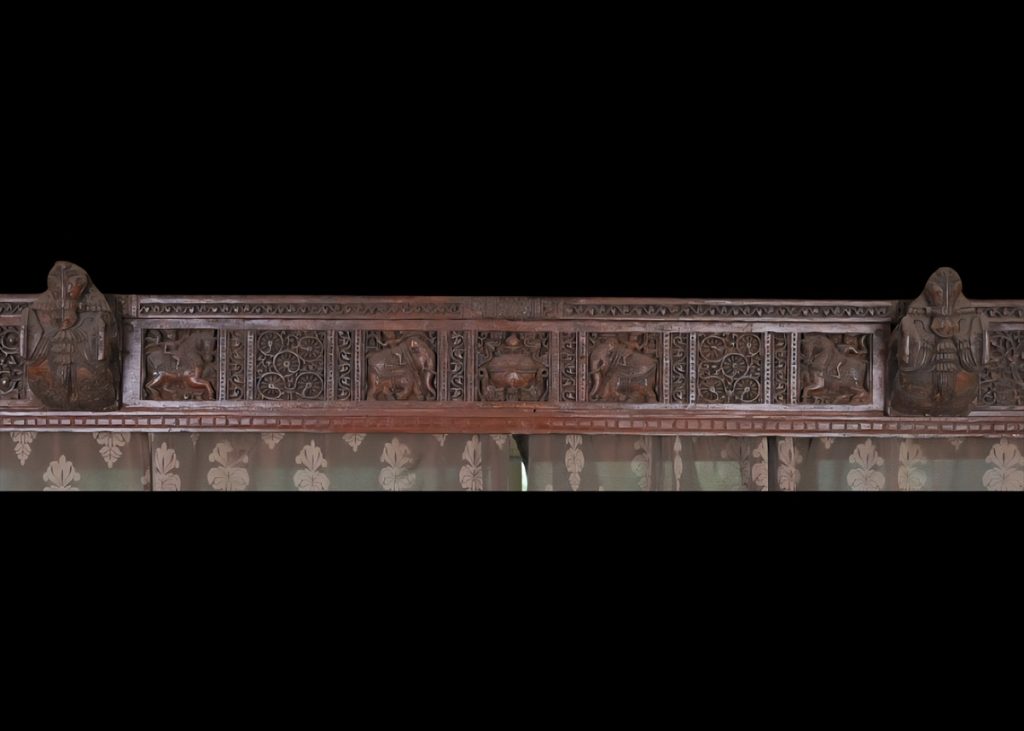
Patan, the historic capital of Gujarat, is celebrated not only for the majestic Rani ki Vav and the world-renowned Patan Patola sarees, but also for its intricate tradition of wood carving. Walking through the lanes of this ancient city, one can witness houses and havelis that still proudly display this centuries-old craft—an art form that reflects both the cultural richness and the architectural brilliance of Gujarat.
A Glimpse into History
The tradition of wood carving in Patan dates back to the Solanki dynasty (10th–13th century), a golden era when the city flourished as a hub of art, architecture, and trade. Skilled craftsmen developed the art of carving intricate designs on teak, neem, and sandalwood, turning ordinary doors, pillars, balconies, and windows into timeless works of art.
Distinctive Features of Patan’s Wood Carving
- Ornamental Facades: The old havelis of Patan are adorned with carved brackets, balconies, and facades depicting mythological figures, floral motifs, and geometric patterns.
- Spiritual Symbolism: Temples in and around Patan showcase elaborately carved doors and ceilings, often narrating stories from Hindu epics like the Ramayana and Mahabharata.
- Everyday Aesthetics: Even domestic architecture embraced wood carving—intricately designed window screens (jharokhas) allowed ventilation and privacy while adding beauty to homes.
- Craftsmanship Precision: The carvings display remarkable attention to detail, with patterns so delicate that they almost resemble lacework carved in wood.
Cultural Significance
Wood carving in Patan was more than decoration—it was an expression of identity, prosperity, and devotion. The designs carried symbolic meanings: parrots for love, elephants for strength, lotuses for purity, and peacocks for beauty. This visual storytelling connected daily life with spiritual beliefs and folklore.
Challenges in Preservation
Today, many of Patan’s historic wooden havelis face neglect due to modernization, lack of maintenance, and migration of traditional artisans to other trades. While some houses still preserve their carved glory, others are deteriorating with time. Conservation efforts and awareness are essential to protect this intangible heritage.
Revival and Recognition
In recent years, initiatives by heritage conservation groups, museums, and tourism boards have brought renewed attention to Patan’s wood carving. Artisans are also exploring contemporary adaptations of this craft creating decorative panels, furniture, and souvenirs that carry the essence of traditional motifs while appealing to modern tastes.
Why Patan’s Wood Carving Matters
Patan’s wood carving is not merely a craft it is a living memory of Gujarat’s history, a reflection of the community’s artistic sensibility, and an example of how architecture becomes storytelling. Preserving this tradition ensures that future generations inherit not just wooden relics, but also the artistry, skill, and soul of a bygone era.
A visit to Patan is not just about exploring its monuments or textiles it is also about pausing before the carved doors and windows of its ancient houses, where every curve and motif whispers stories of a glorious past.